Blog
Essential Soil Health Practices for Sustainable Production
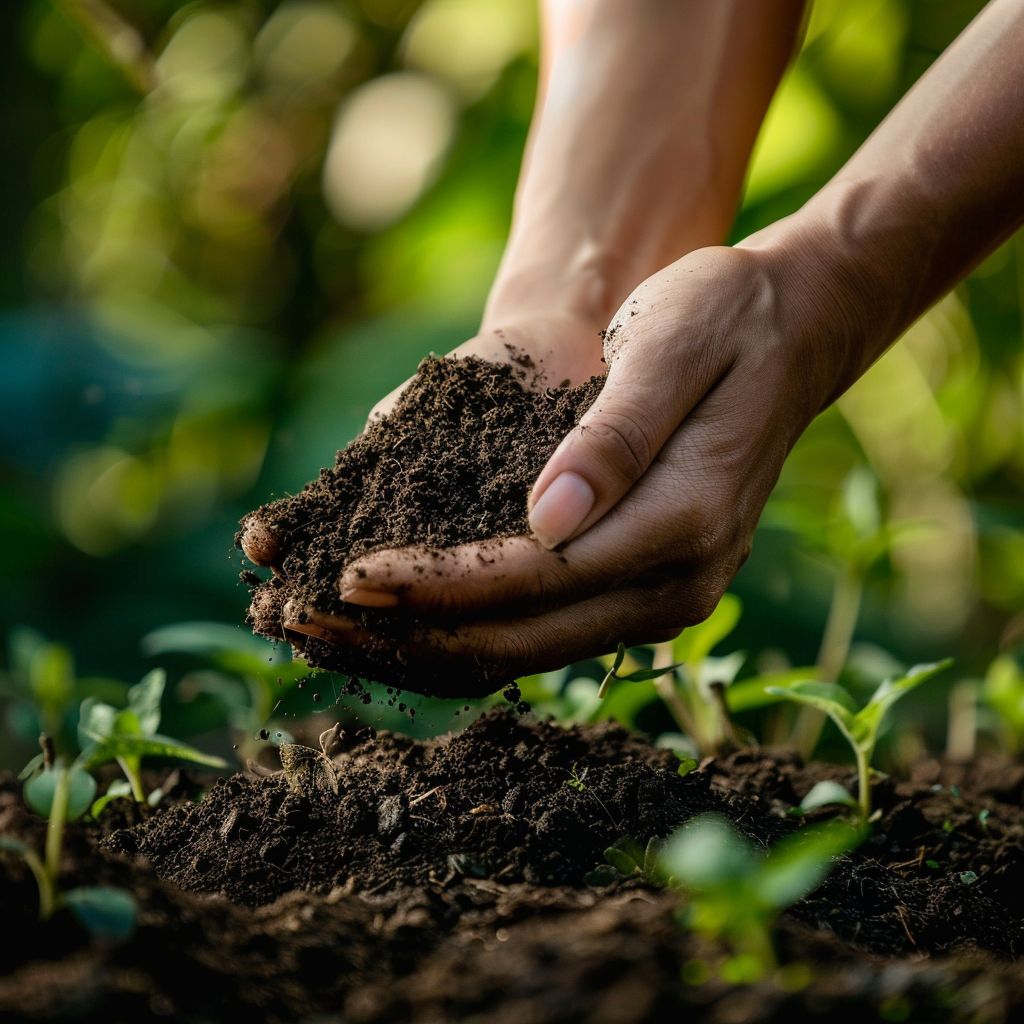
Healthy soil serves as the foundation of successful farming operations worldwide. Far more than simple dirt, soil represents a complex living ecosystem that directly determines crop quality, yield potential, and long-term farm sustainability. Understanding and nurturing this ecosystem is essential for agricultural success.
"The soil is the great connector of lives, the source and destination of all. It is the healer and restorer and resurrector, by which disease passes into health."
Organic matter plays a critical role in soil health, influencing water retention, nutrient storage, microbial activity, and overall soil structure. Farmers should aim for 3-5% organic matter content in topsoil to optimize growing conditions. A single teaspoon of healthy soil contains billions of bacteria, millions of fungi, and thousands of beneficial organisms working together.
Building Soil Biology Through Best Practices
Cover cropping during off-seasons represents one of the most effective strategies for soil improvement. Winter rye, crimson clover, radishes, and oats each offer unique benefits including erosion prevention, organic matter addition, nitrogen fixation, and weed suppression.
Cover cropping prevents erosion while adding valuable organic matter to soil
Reduced tillage preserves soil structure and protects beneficial organisms
Strategic crop rotation breaks pest cycles and balances nutrient demands
Quality compost introduces beneficial microbes and provides slow-release nutrients
Regular soil testing helps farmers track pH levels, monitor nutrient availability, and identify deficiencies before they impact yields. Testing at the same time each season, ideally once per year, provides the most accurate baseline for amendment decisions.
Long-Term Investment in Farm Productivity
Investing in soil health pays dividends for decades. The practices implemented today create resilient, productive farmland for future generations. Sustainable soil management is not merely an environmental choice—it represents sound business strategy for any agricultural operation.
CATEGORIES
Agriculture
Plantation
Production
Fertilizer

Market Insights
Farm Technology ROI
Ready to Grow Smarter?
Join thousands of farmers building resilient, profitable, and sustainable farms. Let's cultivate the future together.